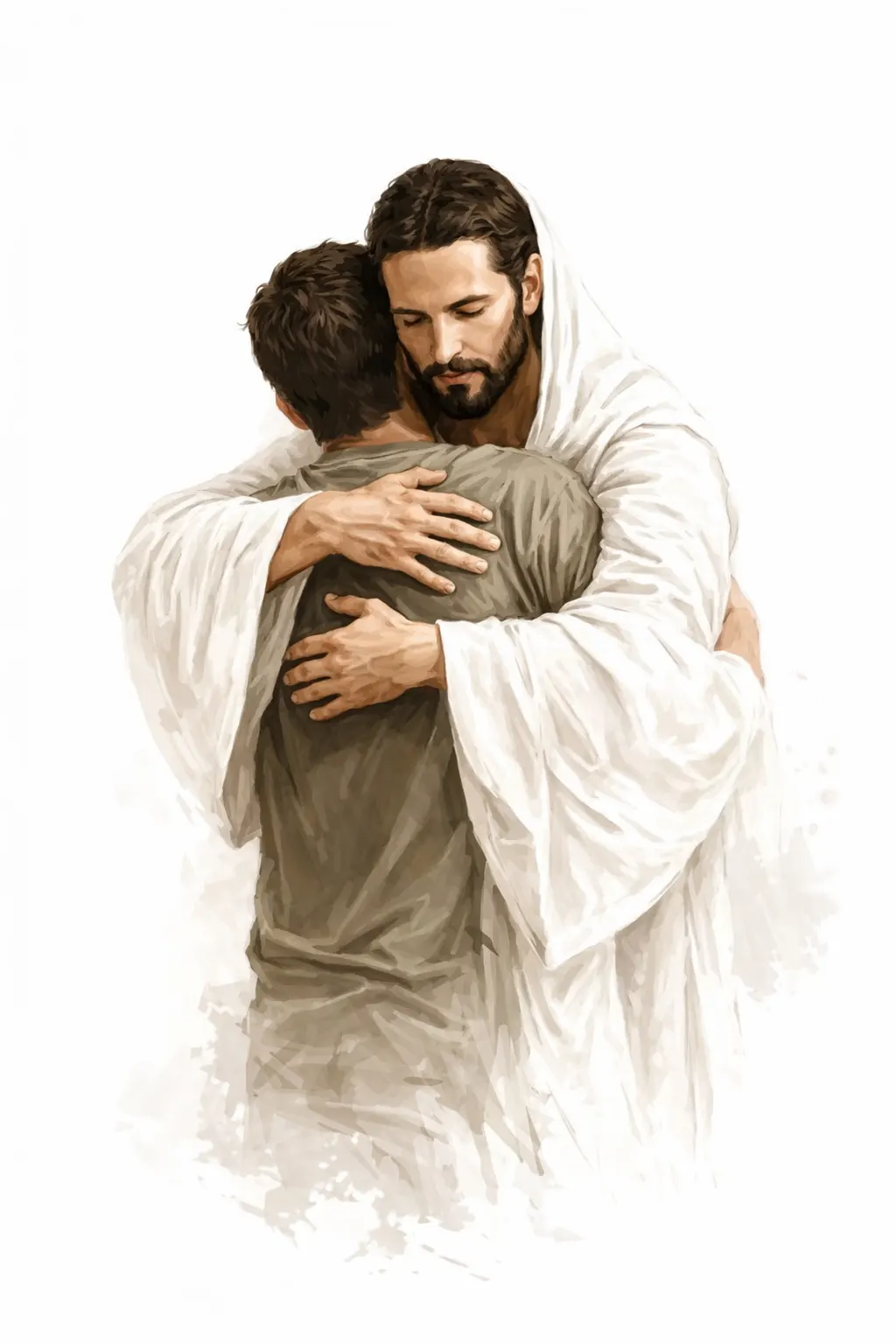
The Prodigal Son
The Grace and Mercy of the Father
In Luke 15:11–32, Jesus tells the parable of the prodigal son—a story preached countless times and familiar to many. I’ve heard sermons and read books that focus on different aspects. Some say it centers on the wayward son, comforting parents with children living in sin. Others emphasize the older son, comparing him to the Pharisees and their judgmental hearts. Still others highlight God’s grace and mercy.
But Jesus told this story for a reason, knowing we would all read it. It’s important, then, to carefully consider what this story is truly about.
The Audience
Verse 1 gives us the audience:
“Then all the tax collectors and the sinners drew near to Him to hear Him. And the Pharisees and scribes complained, saying, ‘This Man receives sinners and eats with them.’ So He spoke this parable to them…”
Jesus was speaking to tax collectors, sinners, and the Pharisees and scribes. Yet many of us distance ourselves from the story because we don’t see the characters as ‘us.’ We assume the wayward son, the older brother, or the tax collectors are someone else entirely. But consider who He addressed: tax collectors—despised as corrupt traitors and social outcasts; sinners—people we often think we are not; and the Pharisees and scribes—the religious elite, respected in the Law but often judgmental.
We shouldn’t separate ourselves. Every one of us falls into one or more of these categories. The audience is not just “them”—it is us: the sinner, the religious, the outcast, the thief, the thinker. Jesus is speaking to all of us, with a lesson we each need to hear.
The Story’s Characters
The younger son asks for his inheritance and leaves, eventually becoming so broke and hungry that, during a famine, he must feed pigs—and even longs for their food. For a Jew at that time, working with swine and desiring their food would have been deeply humiliating. Even asking for his inheritance early would have been shocking, as it essentially declared he wished his father dead.
Through this character, Jesus shows that we have all taken what God has given—life, breath, His Spirit, His likeness, purpose, dominion, intellect, free choice, provision, and truth—and squandered it in an attempt to live independently. In doing so, we become spiritually dead. This is not just the story of one son; it is the story of us all.
The older son becomes angry when his wayward brother returns and is welcomed home. Instead of rejoicing, he resents the grace shown.
Through him, Jesus confronts the religious and judgmental—those who believe their efforts earn them standing with God. They too are poor in spirit, blind to their need for grace. Like the younger son, the older brother is spiritually lost, but he does not recognize his need for mercy. His resentment also challenges us to look at how pride, envy, or self-righteousness can blind us to God’s work and love.
The Father’s Grace and Mercy
“But the father said to his servants, ‘Bring out the best robe and put it on him, and put a ring on his hand and sandals on his feet. And bring the fatted calf here and kill it, and let us eat and be merry; for this my son was dead and is alive again; he was lost and is found.’ And they began to be merry.”
This is the heart of the story: the Father. God does not judge, condemn, or ridicule His children for their choices. He welcomes them home. His focus is restoration, extending grace and mercy.
God offers this grace to all humanity—sinners, tax collectors, outcasts, the religious, and the intellectual alike. He desires that His children return—not just to a physical home, but to a relationship with Him, where He restores, guides, defines, and brings life from death.
“And he said to him, ‘Son, you are always with me, and all that I have is yours. It was right that we should make merry and be glad, for your brother was dead and is alive again, and was lost and is found.’”
Through this story, God reminds us that without Him, we fail to grasp the value of His love, provision, and care. Life apart from Him leads to emptiness, suffering, and death. This story is not about one prodigal son; it is about all of us. Both sons were lost and blind, needing salvation. Without God, we are all spiritually poor and in need of a Savior. We are all prodigals, apart from God.
If you can’t see yourself as a prodigal—or, for Christians, as a former prodigal—be careful. You may still be living in the same condition as the two sons: believing you’re good enough without God, or thinking your own goodness is the reason you’re with Him.
“Blessed is the man who is poor in spirit, for theirs is the kingdom of heaven.”
We are either former prodigals, restored to God, or current prodigals—spiritually orphaned, blind, and unaware of it. Which one are you?