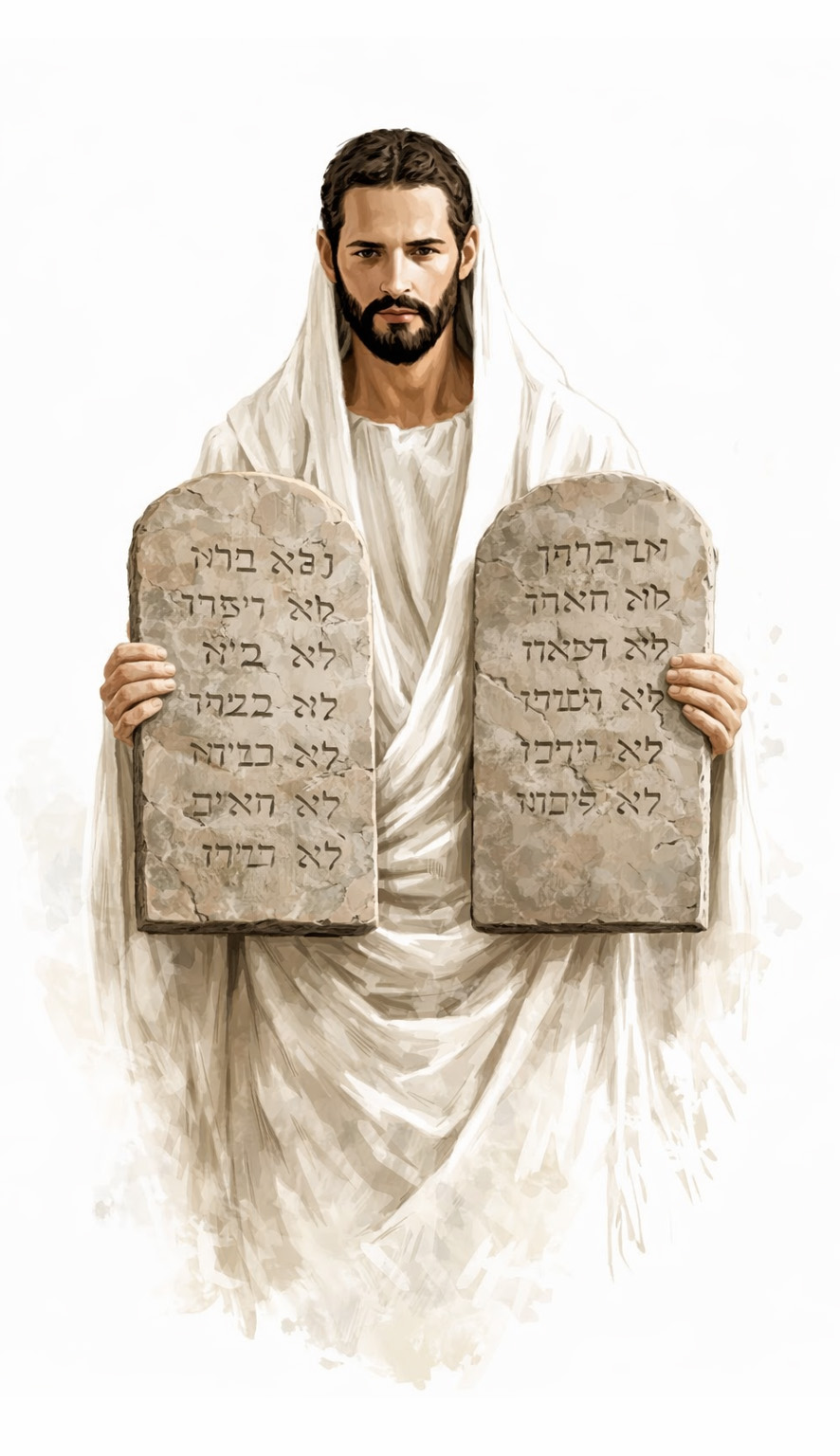
Jesus’ New Covenant Law
The Law That Gives Life
When God led the Israelites to the Promised Land, He gave them the Mosaic Law, which included the Ten Commandments. These laws, along with many others, are primarily found in the first five books of the Old Testament—the Torah or Pentateuch (Genesis, Exodus, Leviticus, Numbers, and Deuteronomy). Many Christians have wrestled with whether these laws should still be followed, especially since Paul teaches that believers are no longer under the Mosaic Law (Romans 6:14; Galatians 3:24–25).
What Christians Can Learn from the Mosaic Law
The Mosaic Law reveals God’s holiness, exposes the seriousness of sin, and confirms our need to live apart from it. At its core, it highlights God’s two greatest commands: to love God with all our heart, soul, and strength, and to reflect that love in our lives (Deuteronomy 6:5; Leviticus 19:18). The Law also teaches practical principles, like sowing and reaping (Galatians 6:7), and demonstrates the effectiveness of substitutionary sacrifices (Hebrews 10:1–4). Beyond this, it provides numerous foreshadowings of Christ and His redemptive work, preparing us for the salvation and grace fully realized in Him (Colossians 2:16–17).
The Mosaic Law and Jesus
The Mosaic Law was temporary, covering moral, civil, and ceremonial commands. Jesus came to fulfill the law, raising the standard beyond what human effort alone could achieve (Matthew 5:17–18). His law emphasizes the heart over outward obedience. While He upheld the moral teachings of the Old Testament, He fulfilled the ceremonial and civil aspects, including sacrifices and regulations (Hebrews 9:11–14).
Through His death and resurrection, Jesus established the New Covenant—a permanent and superior covenant focusing on inner transformation, grace, and open access to God for all people (Jeremiah 31:31–34; Hebrews 8:6–13). The Holy Spirit now works in our hearts, giving us the love, desire, and guidance to obey God (John 14:15–17). This inner transformation allows us to follow God’s commandments, not out of duty or fear, but because we love Him and want to live for Him.
What This Means for Christians Today
Christians are no longer bound by the ceremonial and civil laws of the Old Testament—such as sacrifices, festivals, or civil regulations—but we are called to live by the moral principles fulfilled in Jesus (Romans 10:4). We follow His commandments by relying on the Spirit, motivated by love rather than obligation. God’s law is now written on our hearts, and obedience flows from our relationship with Him, not from trying to earn favor (2 Corinthians 3:3).
The Key: Following Jesus, Not the Law
The ultimate truth is this: the goal is not simply to follow laws, but to follow Jesus Himself, because He is the fulfillment of the law (Matthew 22:37–40; Romans 13:8–10). We abide in Him, keep His commandments, and allow His Spirit to transform us from the inside out (John 15:4–10). We do not obey to earn salvation or merit, but to go deeper into His love, experiencing the joy and freedom that come from a heart fully surrendered to Him. In Christ, love becomes the law written in our hearts, and our obedience flows naturally from intimacy with Him (1 John 5:3).