His Ways Are Not Ours
When you know the Creator, you understand the creation
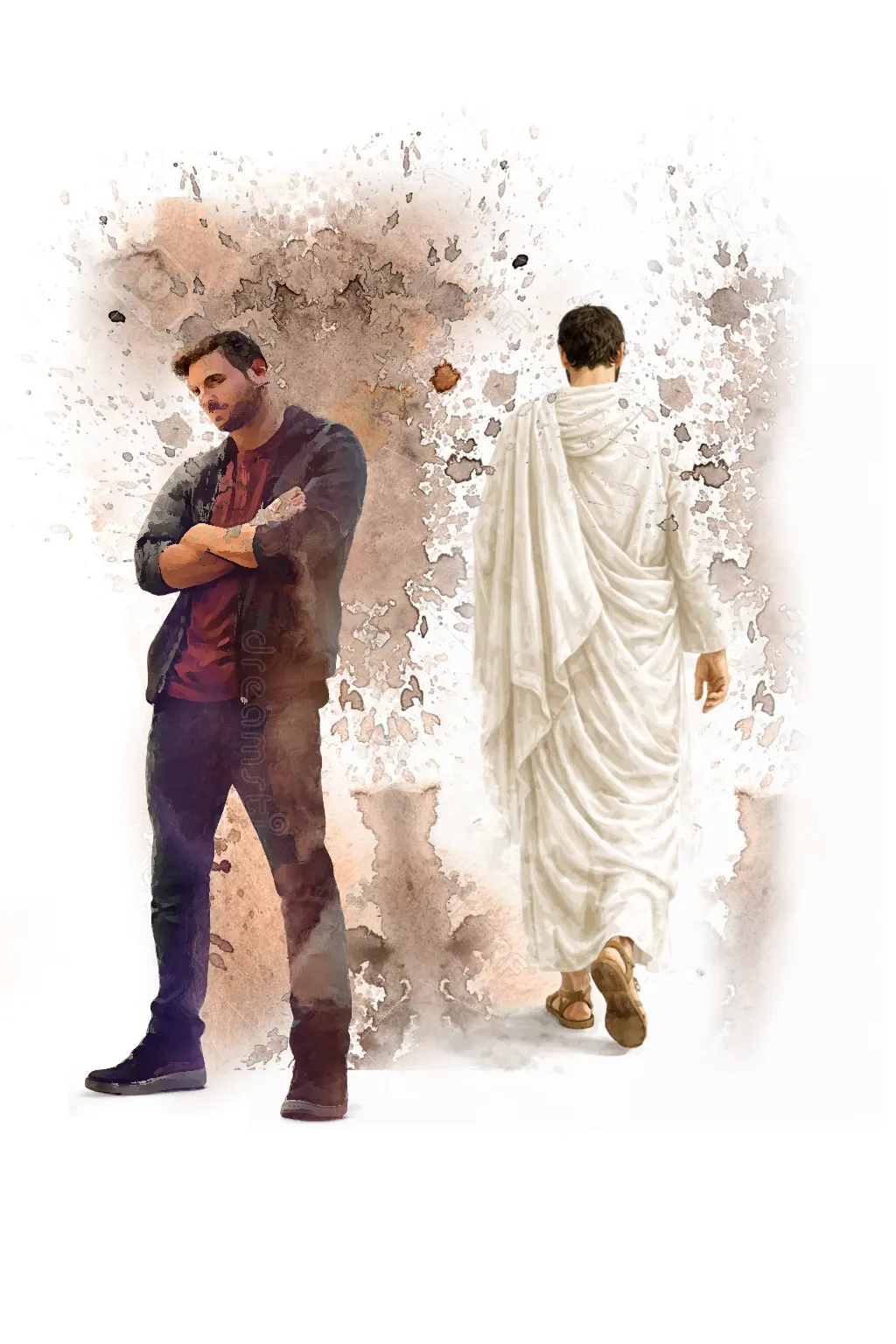
Learning to Trust What We Cannot Understand
“For My thoughts are not your thoughts, nor are your ways My ways,” says the Lord.
“For as the heavens are higher than the earth, so are My ways higher than your ways, and My thoughts than your thoughts.”
(Isaiah 55:8–9)
What does it take to bring creation into being—and to sustain it? How would you form a people capable of loving you—freely, by their own choice? How would you show them that they cannot be their own gods, reveal the deadly nature of sin, and teach them that life apart from you is impossible?
God sent Jesus to die for our sins and calls us to put our faith in Him. He calls us to die to ourselves so that we might become what He created us to be. God gives us commands and sets boundaries—there are things we cannot do if we choose to live in fellowship with Him.
He reveals the truth about our condition: that we are rebellious, sinful, our hearts corrupt, and our wisdom foolish. He says our righteousness is like filthy rags, that we are helpless and directionless—sheep without a shepherd. (Isaiah 64:6, Matthew 9:36)
If we were God, we probably wouldn’t have done it this way. We might have sent a mighty hero—a Thor-like savior, a “Santa god”—to destroy evil, rule the world, and make our lives easier. This kind of god would fix our problems, give us everything we want, and flatter us with the idea that He could never live without us.
The problem is that we shape our way of thinking around selfish desires, fleeting emotions, and the pursuit of comfort and pleasure. Our understanding is limited to what we can see and experience, and those very desires often cloud the small glimpses of truth that try to reach us. (1 John 2:16)
God’s ways are grounded in love, truth, perfection, and holiness. He sees the whole picture—the beginning, the end, and everything in between. His desire is to save us and form a family rooted in love and truth, united by one mind—His own—for He is love and truth. Every plan, purpose, and act of God is designed to awaken us to truth, redeem us, and draw us into unity with Him. (1 John 4:8, Ephesians 1:9–10)
God is trying to save us all, and He cannot cater to our selfish desires. To do so would only strengthen our self-centeredness and lead us further from Him.
The Apostle Paul understood this well. Though imprisoned, he did not complain. Instead, he preached, encouraged others, and sang hymns to God. Even without understanding all of God’s reasons, Paul trusted that there was purpose in his suffering. (Acts 16:25)
Jesus told us we would suffer for His name’s sake. As believers, we will face hardship and confusion in this life—circumstances that test our faith and stretch our understanding. Yet we must trust that God knows what we cannot, and that His ways are higher than ours. (John 16:33, Romans 8:28)
The war has already been won. But if we choose to stand on the winning side, we must stand with God through the small battles fought here on earth—knowing that our true kingdom and eternal reward await us. (2 Timothy 4:7–8)
God tells us that we may suffer for a time, that we may go without, and that we must often set aside our own desires. Yet all of it serves a greater purpose—His purpose—to save us and as many others as possible. (1 Peter 5:10)
God moves forward in truth and love, unstoppable and unwavering. Our complaints, our confusion, and our selfish desires will not hinder His plan. Nothing and no one can stand in the way of His redeeming work. (Job 42:2)
So who are we to resist the work of God’s salvation? Do we truly think we know better? If we claim to love—and to love others—how could we stand against the only One who can save us?
Are you willing to be the first person to outsmart God—to prove Him wrong?
In the end, if there truly is a God, the real question is this: How does this fit into His plan? How does this serve His kingdom? When those questions shape our choices, our plans, and our desires, we finally begin to live for something greater than ourselves.